Brian Ongoro

Okiri Festival: Walking In Their Shoes

Stigma often builds walls, isolating young individuals who seek a second chance. The First Okiri Festival, themed “Walking in Their Shoes,” set out to break down these walls by fostering understanding, inclusion, and support for the youth at Kisumu Children’s Remand Home. This festival was a journey into the realities these young people face and a celebration of their resilience and potential. Upon arrival, guests were handed a case; an example of offenses that have led some of the young individuals to the remand home. This small but powerful exercise encouraged attendees to reflect on the circumstances that shape these young lives. Guided by one of the youth, guests then toured the facility, gaining firsthand insight into the daily lives of the children and the efforts being made toward rehabilitation and reintegration. Following the tour, guests participated in a mock court session, experiencing what these young individuals go through when they stand before a judge. The intensity of the moment was evident, as many found themselves overwhelmed by the pressure of the setting. I was tense. I have never been to court and as much as it was a model, I got tense and did not know how to go through that. But it was a good experience Hillary Omondi – Participant Rosemary Opiyo, a psychologist, reflected on the experience, saying, “For a child, this can be a life altering moment; one they will never forget. I could see how tense people became, and even if you are innocent, the pressure could easily lead you to admit to something you didn’t do. It made me wonder about the mental impact on these children, having to go through such an intense process.“ The experience highlighted the emotional and psychological weight of the justice system on young individuals and sparked conversations about the need for a more rehabilitative approach. The Power of Expression The festival was also a celebration of talent and creativity. Through performing arts, the youth shared their stories and dreams. The skit depicted a boy caught between difficult life choices. In his dream, he found himself in a situation where he had impregnated a girl but refused to take responsibility. At the same time, he was part of a gang that terrorized community members through robbery. His actions eventually caught up with him, as he and his gang were shot dead by police. Just as he faced the fatal consequences, he was jolted awake by a prison warden, bringing him back to reality. The skit left the audience in deep thought, highlighting the harsh realities of crime, responsibility, and the consequences of choices made at a young age. To end the day on a joyful and uplifting note, a football match was organized between the children from the remand home and Nyalenda Young Stars. The energy on the field was electric, with both teams giving their all. The First Okiri Festival was a reminder that transformation happens when communities come together with open hearts and minds. The journey of reintegration does not end here, it continues in every conversation, every opportunity, and every act of acceptance. Because these young people deserve to be seen beyond their pasts. Because their future is worth investing in. A special thank you to our partners Better Me Kenya, The Rotaract Club of Kisumu Winam, Rise To Shine Education Foundation, Sapphire, and Homeless of Kisumu for making this day possible.

Okiri Festival: Walking In Their Shoes Read More »

Kisumu Children’s Remand Home: Stories In A Script

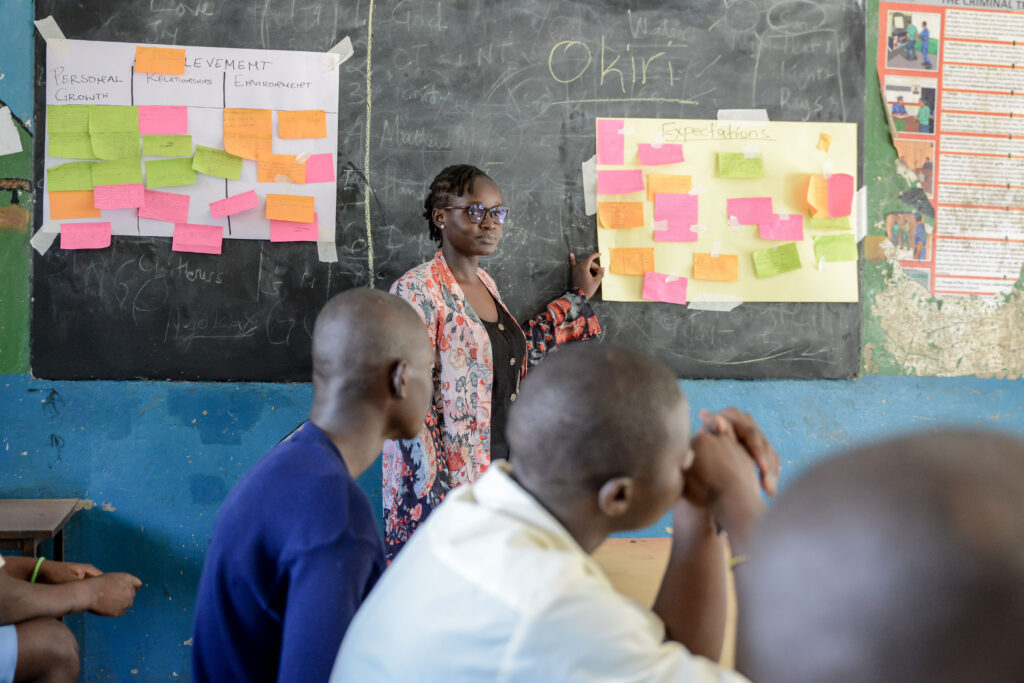
Every young person at Kisumu Children’s Remand Home carries a past filled with moments that shaped them; stories of struggle, resilience, and the hope for a second chance. But too often, these stories remain unheard, buried under stigma and misunderstanding. In our latest session, we took a pre-written script, based on real life experiences of some of the children, and brought it to life through performing arts. This was a chance to use art as a mirror, a bridge, and a voice for change. As we gathered in the hall, there was a mix of excitement and nervous energy. Some eagerly read through the lines, while others hesitated, unsure about stepping into character. But as we went through the script together, discussing the scenes, emotions, and intentions behind the words, the script was no longer just text, it was a reflection of real experiences, struggles, and hopes. Stepping Into Character With the script ready, it was time for casting. Some quickly volunteered for roles, while others took a little convincing. As the performing began, the hesitation melted away. Words turned into expressions, movements, and emotions. Some scenes brought laughter, others deep reflection. They were not just reciting lines, they were telling a story that, in many ways, mirrored some of their own lives. As the session ended, we shared small treats, a simple gesture to celebrate their courage in stepping into their roles. But the real impact was in what they took away, confidence, a sense of connection, and the realization that art is more than entertainment; it is a tool for healing, reflection, and transformation. Through Okiri, we continue to create spaces where storytelling is not just an activity but a force for change. Where young people can use art to reclaim their narratives, challenge stereotypes, and remind the world that their voices matter. Because they do.      

Kisumu Children’s Remand Home: Stories In A Script Read More »

Kisumu Children’s Remand Home: Team Building

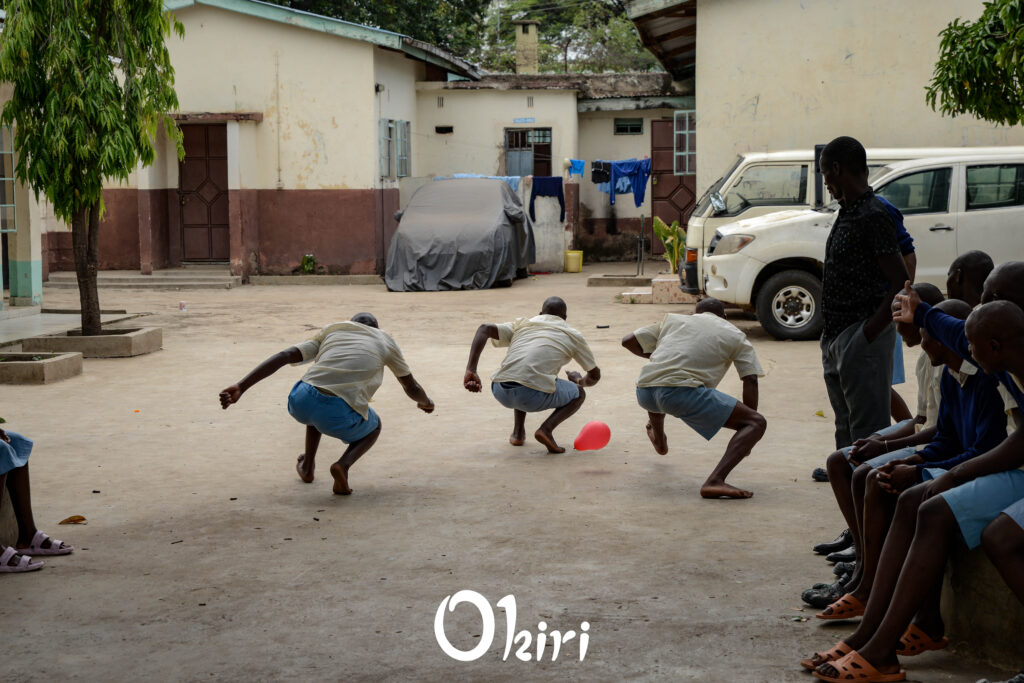
At Kisumu Children’s Remand Home, every child has a story of struggles they have faced, battles they have fought, and dreams they hold close. These struggles often leave them uncertain about their future. In the midst of all this uncertainty, moments of joy and connection become powerful reminders of hope. Through team-building and physical activities, we created a space where the children could engage in exercises that not only boosted their mental well-being but also fostered teamwork and collaboration. Breaking Down Barriers, Building Each Other Up The session began with a mix of excitement and hesitation. Some children jumped in eagerly, while others hung back, unsure of their abilities. But as the activities started; singing, dancing, cup balancing, duck walking, things changed. Laughter and jumping replaced doubt, and voices cheered each other on. “It seemed difficult when Don was giving the instructions, but after seeing the first and second person do it, I could not disappoint my team,” Peter Lessons in Trust and Collaboration Many of the children at the Remand Home have been forced to rely only on themselves, carrying burdens far too heavy for their young shoulders. But through teamwork exercises, they experienced what it means to lean on others. Whether it was making sure team mates understood the task or strategizing to complete the activity, they learnt that success often comes from unity, not isolation. Moments like these may seem small, but for these children, they are powerful. They challenge old beliefs and plant the seeds of trust and cooperation. As the session wrapped up, for some, it was a rare moment of pure fun. For others, it was a chance to see themselves in a new light, not as individuals defined by their past, but as young people with potential, with teammates, with a future. We then gathered back in the hall to talk about how they felt about the activities. The children shared their experiences. “We should have more sessions like these, to break the usual sitting in the room during sessions.” Ashley To end the session, we shared sweets with them, a small but meaningful gesture to celebrate their effort and teamwork. At Soulevement, through our flagship program Okiri, we are committed to creating these spaces where children can learn, grow, and rediscover hope. Through activities like these, we remind them that they are not alone. That they are capable. That their past does not define them, but their resilience does.  

Kisumu Children’s Remand Home: Team Building Read More »

Unconscious Bias Towards Children

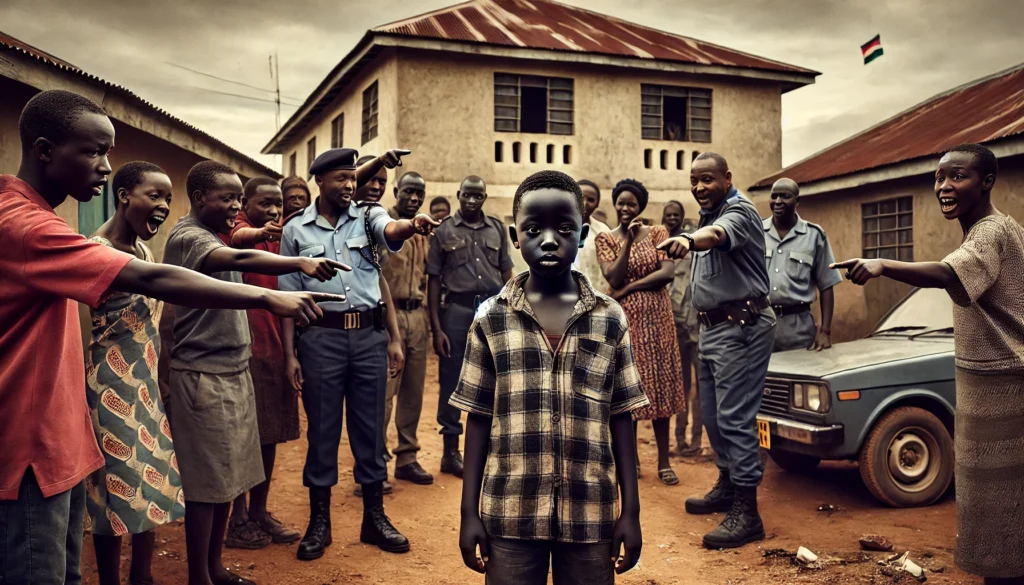
Children who find themselves in conflict with the law face more than just the justice system, they also encounter deep-rooted unconscious biases. These biases – assumptions we make without even realizing, are often shaped by ethnicity, social class, and neighborhood. They influence how these children are treated, from their first interaction with law enforcement to how society views them long after their cases are closed and they are reintegrated into the community. This blog stems from conversations we had with children in communities across Kisumu, exploring how unconscious bias affects those who come into contact or conflict with the law, the lasting impact on their lives, and what we as a society can do to break down these harmful judgments. What Is Unconscious Bias? Unconscious bias refers to the automatic, often unintentional judgments we make about others based on stereotypes. These biases shape how we treat people in our daily lives, and in the justice system, they can result in unfair treatment and discrimination. In Kisumu, as in many other parts of Kenya, unconscious bias against children in conflict with the law is shaped by long-standing social divisions. For instance, children from certain neighborhoods, especially informal settlements or areas labeled as crime hotspots, are more likely to be viewed with suspicion. This can lead to harsher punishments, stigma, and reduced access to support for rehabilitation. How Unconscious Bias Affects Children in Kisumu Stigmatization Based on Background Children from marginalized neighborhoods like Nyalenda, Manyatta, or Obunga are often judged based on where they live rather than who they are. This unconscious bias affects how law enforcement, court officials, and even the community perceive them. For instance, a child from these areas may be unfairly labeled as a “troublemaker” or “thief” simply because of where they come from. One child shared that after being involved in a minor crime, they were constantly called a “thief” by others, even after making efforts to change. This kind of labeling reinforces negative stereotypes, making it harder for children to move past their mistakes. Harsh Treatment and Profiling by Law Enforcement Many children in Kisumu fear being unfairly targeted by law enforcement, simply because of where they live or the behaviors associated with their communities. Children accused of minor offenses like petty theft or skipping school often face much harsher treatment compared to others from wealthier areas. For example, a child from an informal settlement may be presumed guilty, while a child from a more affluent neighborhood might be given the benefit of the doubt. These biases affect not only their arrest but also how their cases are handled. Impact of Bias on Children’s Mental Health The stress of being profiled, stigmatized, or unfairly treated takes a significant toll on children’s mental health. Some reported feeling overwhelmed during court proceedings, which are often lengthy and emotionally draining.  Children who are constantly labeled or verbally abused, being called “thieves” or other names, even after showing signs of change, experience emotional stress and isolation. This type of treatment can erode their self-esteem, making it even harder for them to believe in their potential for change. Unconscious Bias as a Barrier to Rehabilitation Kenya’s justice system is designed to rehabilitate young offenders, but unconscious bias sometimes prevent children from accessing the full benefits of rehabilitation. Some children expect harsh punishment or forced labor when they enter the system and even believe their lives are over. However, with the right support, many can reform and lead productive lives. Sadly, unconscious bias too often stands in the way of these opportunities. What can we do to address Unconscious Bias? While unconscious bias is deeply ingrained, there are steps we can take to reduce its impact. Here’s how we can start addressing these biases: Train Law Enforcement and Legal ProfessionalsLaw enforcement officials  need training to recognize and address their own biases. Awareness programs can help ensure children are treated fairly, regardless of their background. This shift in focus, from where a child comes from to the specifics of their case, can lead to fairer outcomes. Strengthen Rehabilitation ProgramsRehabilitation, not punishment, should be the heart of the justice system for young offenders. Programs that offer counseling, skills training, and community reintegration need to be made accessible to all children, so they have the opportunity to turn their lives around. Raise Community AwarenessCommunities play a vital role in supporting children as they rebuild their lives. Schools, religious institutions, and community organizations can help by educating the public about the effects of unconscious bias and promoting the importance of giving children second chances. Support Mental Health ServicesUnconscious bias places a heavy emotional burden on children, making mental health services critical. Regular counseling, emotional support, and mentorship can help children process their experiences and develop the resilience they need to reintegrate into society. Unconscious bias may be invisible, but its impact on children is all too real. When we let bias guide our judgments, we not only harm these children but also contribute to cycles of poverty, crime, and marginalization. To create a just and fair society, we must actively work to confront these biases, ensuring that every child is treated with dignity and compassion. By addressing unconscious bias, we can open the doors to rehabilitation and give children the chance to lead better, more fulfilling lives. Now is the time to challenge our assumptions and offer these young people the second chances they deserve.

Unconscious Bias Towards Children Read More »